



For family caregivers
Caregiver support for families
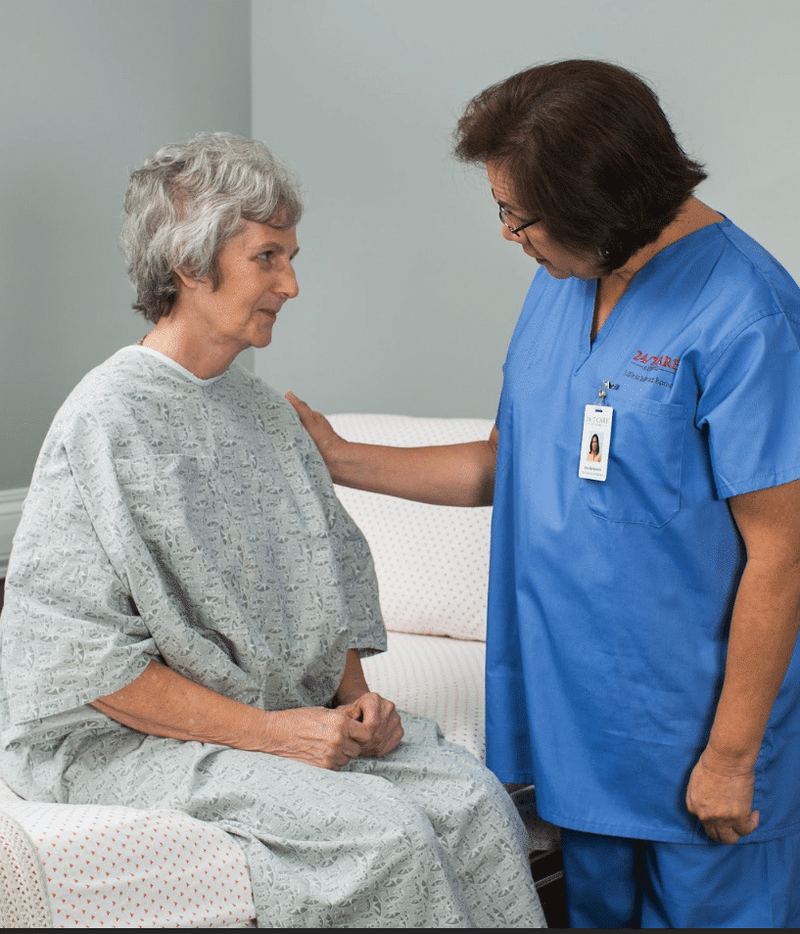
Caring for someone you love at home is meaningful, and it is a lot of work. Here is practical help for the first weeks and the hard days, and how to know when it is time to call in home health, palliative care or hospice.
Getting started at home
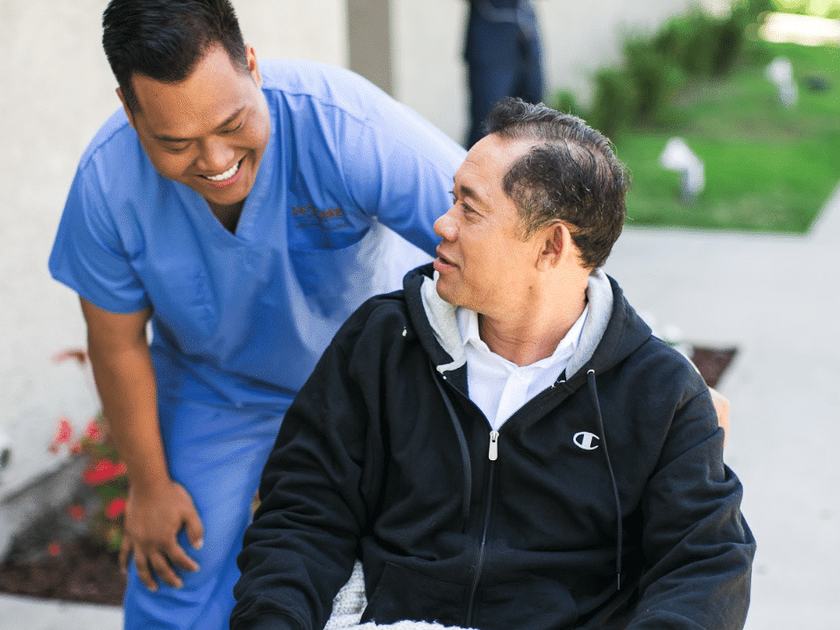
- Make a simple daily routine for meals, medications, rest and personal care.
- Use a pill organizer and keep an up-to-date list of every medication.
- Write down questions for the doctor and nurse, and bring notes to visits.
- Learn about your loved one's condition and the care plan.
- Post emergency contacts and health information where everyone can see them.
- Ask for help early: family, friends and professional services can share the load.
Preventing falls
- Remove clutter, loose rugs and cords.
- Put grab bars in the bathroom and secure stair railings.
- Use night lights and keep rooms well lit.
- Choose non-slip socks or shoes with good grip.
- Keep the phone and other essentials within easy reach.
- Encourage gentle movement, with a walker or cane if needed.
A home health therapist can visit to check the home for fall risks and suggest changes.
Food and water
- Offer small, regular meals that are easy to chew and digest.
- Keep water or a favorite drink within reach.
- Watch for appetite changes, weight loss or signs of dehydration, like a dry mouth or tiredness.
- Smoothies, meal delivery and soft finger foods make it easier.
- Ask a nurse about nutrition or swallowing problems.
- Eat together when you can; company helps appetite and mood.
Taking care of yourself
- Know your limits, and say so when you are stretched.
- Take short breaks every day, and plan time off with help from others.
- Eat well, drink water and protect your sleep.
- Stay in touch with friends; talking with people who understand helps.
- Watch for burnout: exhaustion, irritability, or losing interest in your own life.
Taking care of yourself is not a luxury. It is how you keep showing up for the person you love.
When to get more help
Home health, palliative care or hospice?
- Home health may help whenYour loved one just left the hospital, is recovering from an illness or injury, needs help with medications or therapy, has fallen, or has had several ER visits.Home health care
- Palliative care may help whenYour loved one is still in treatment, but pain, nausea, breathing or worry are hard to control.Palliative care
- Hospice may help whenA doctor has said the illness is life-limiting, pain is growing, hospital stays are frequent, or the family is overwhelmed.Hospice care
When hospice starts
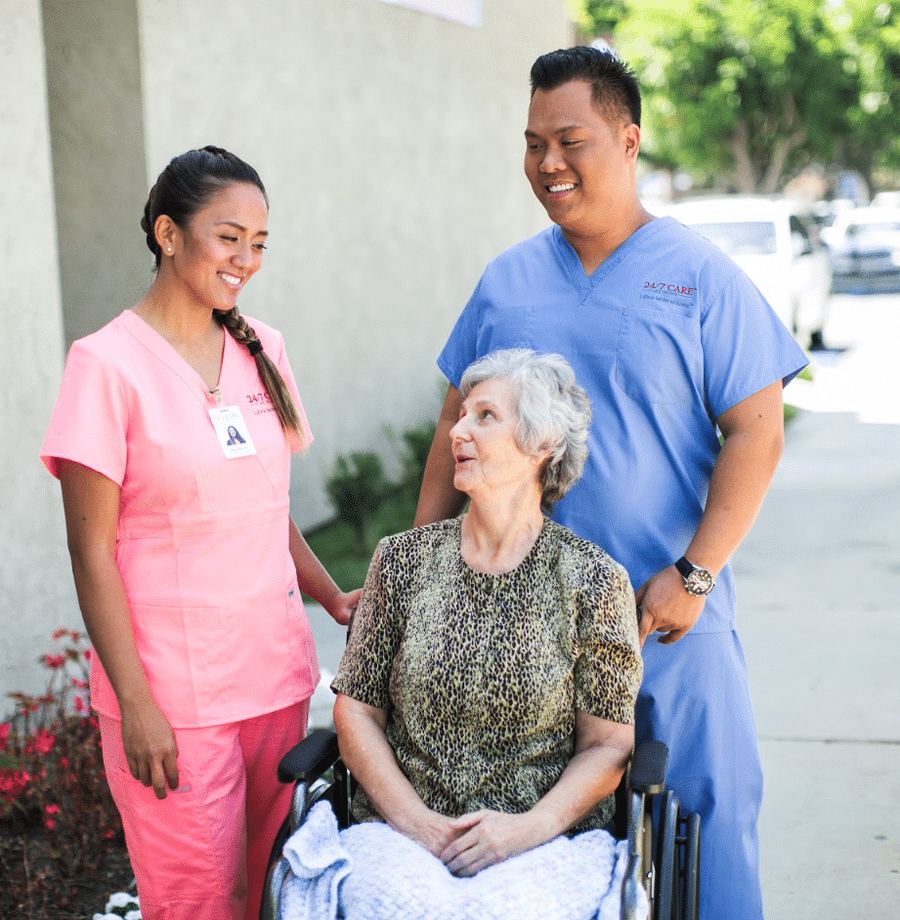
What happens when a loved one begins hospice at home.
- A nurse visits to assess your loved one's needs and set up care.
- A team forms around you: nurse, aide, social worker, chaplain and more.
- Medications, supplies and equipment, like a hospital bed, are delivered.
- Regular visits are scheduled, and nurses are on call day and night.
- Emotional and spiritual support is there for the whole family.
You can call a home health agency or hospice yourself to ask questions. You do not need a referral to ask.
Keep reading
Related pages
- Family and CaregiversWhere families start
- Hospice at a GlanceThe one-page summary for families
- Signs of End of LifeWhat families may see, and how to comfort
- Grief and Bereavement SupportWays to begin and types of support
- Compare Care OptionsHome health, hospice and palliative care side by side
- Home Health CareShort-term nursing and therapy at home
Life is better at home.
You do not have to do it alone.
(800) 509-634524/7 AI chat online, or call any time, day or night. Tell us what is happening at home, and we connect you with the right team: home health, palliative care or hospice.