



Palliative care
Palliative care at home in Orange County
Palliative care eases the pain, symptoms and stress of a serious illness, at any stage, while you keep your regular treatment. Our team comes to your home. Call (800) 509-6345.
What is palliative care?
Palliative care is medical care focused on pain relief and a better quality of life for people with a serious illness. It adds a layer of support on top of the care you already get. You can have palliative care while you are still receiving treatment that may cure or control the illness.
What symptoms can it help with?
- Pain, chronic or severe
- Nausea and vomiting, constipation
- Shortness of breath and other breathing problems
- Tiredness, trouble sleeping, poor appetite
- Anxiety, depression and the stress of a long illness
Who can have palliative care?
Palliative care can begin at any time, at any stage of a serious illness, terminal or not. You and your doctor decide together. It often fits when you are still getting treatment, or when you and your family are not ready for hospice.
Conditions
Illnesses where palliative care often helps.
What it can include
Comfort, support and a clear plan.
Your plan is built around your symptoms and your goals.
- Symptom managementMedicines and other ways to ease pain, nausea, breathing problems and anxiety.
- Counseling and supportSomeone to talk with about the illness, for you and for your family.
- Nutrition guidanceAdvice on eating and drinking when appetite or swallowing changes.
- Help with decisionsPlain talk about your options, and help with advance directives.
- Coordination with your doctorsWe work closely with your own doctor and specialists, and refer to others when needed.
- Therapy when it helpsPhysical or occupational therapy to keep you moving and safe.
Side by side
Palliative care, hospice or home health?
| Palliative care | Hospice care | Home health | |
|---|---|---|---|
| When it can start | At any stage of a serious illness | When a doctor expects six months or less to live | When a doctor orders skilled care at home |
| Treatment to cure | Can continue | Stops; the focus is comfort | Continues |
| Goal | Relief of symptoms and stress | Comfort, dignity and family support | Recover and stay safe at home |
How to start
How palliative care starts.
You can call us yourself, for you or for a parent.
Call us.
Tell us about the illness and what is hardest right now. We talk with your doctor.
A visit at home.
The team reviews your medical history, current treatment, medications and symptoms, and does a physical exam.
A plan built on your goals.
Symptom relief, counseling and advice, shaped around what matters most to you. Your own doctors stay in the loop.
The team
Who is on our palliative team.
The team can also include a chaplain, a dietitian or a physical therapist.

Our care
If your needs change, we are still here.
Palliative care, hospice and home health are all part of 24/7 Care at Home. We help you move from one to the next.
 Home HealthNurses and therapists visit you at home to help you recover and stay safe. Ordered by your doctor.About home health
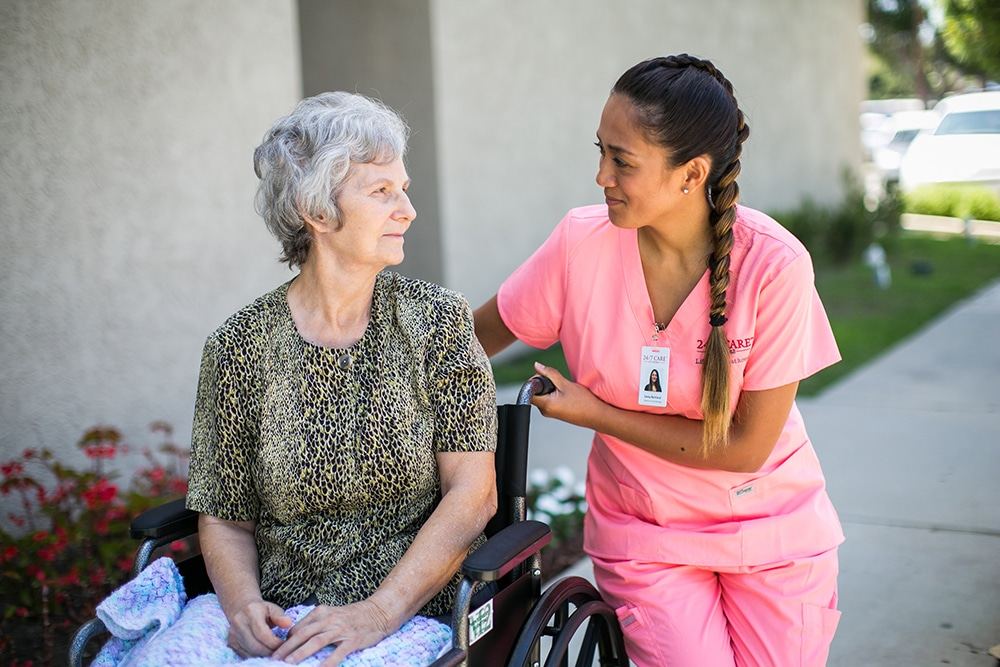 HospiceComfort-focused care when a cure is no longer the goal, for the patient and the whole family, wherever you call home.About hospice
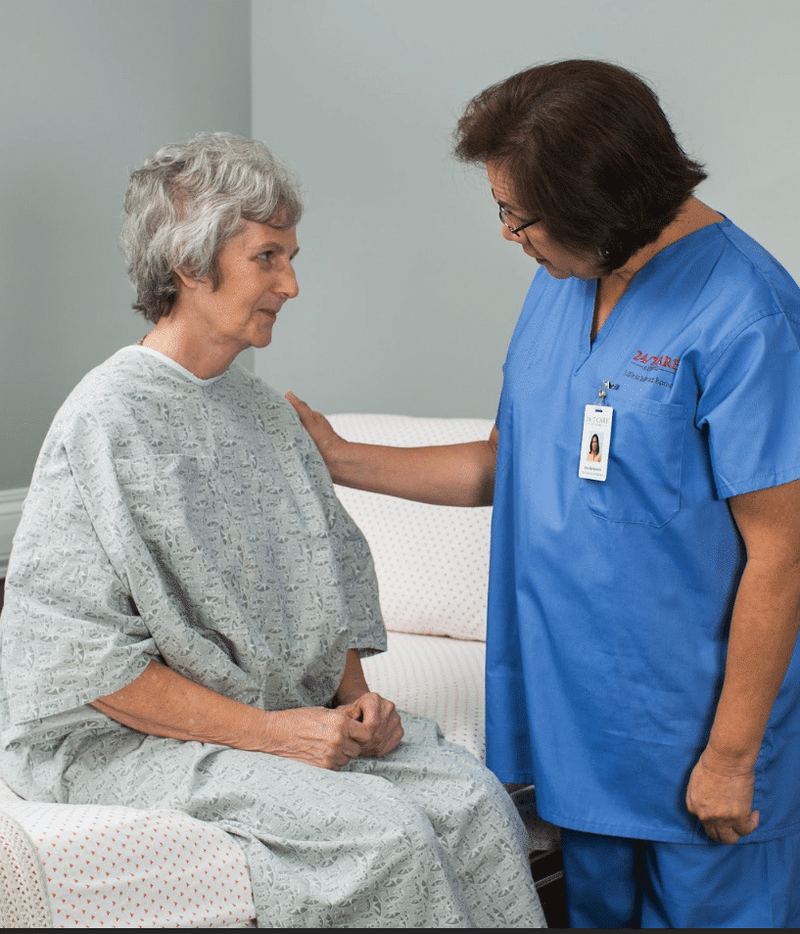 Palliative CareRelief from the pain and symptoms of a serious illness, at any stage, while your treatment continues.About palliative care
Watch
Life is better at home.
A short video from our team: "Hospice Care at 24/7 Care At Home".

Answers
Questions about palliative care.
Will I still see my own doctor?
Yes. A palliative doctor works with your other doctors and helps you find your way through the health system.
Does palliative care mean giving up?
Not at all. You can have palliative care while you receive treatment that may cure or slow your illness. Getting pain and symptoms under control can make that treatment easier to bear.
What does a palliative doctor do differently?
Your other doctors treat the disease. A palliative doctor focuses on preventing and easing suffering, and helps you and your family weigh hard medical decisions.
Does insurance cover palliative care?
Many private insurance plans and HMOs offer palliative care benefits. Medicare Part B covers some palliative care services. Call us with your insurance card and we check your coverage with you.
Where is palliative care given?
Our team visits you at home. Tell us where you or your parent lives when you call.
What is palliative medicine?
Palliative medicine is a medical subspecialty provided by doctors who offer palliative care for people who are seriously ill. Palliative care relieves suffering and improves quality of life for people of any age and at any stage in a serious illness, whether that illness is curable, chronic, or life-threatening.
What's the difference between palliative care and hospice care?
Palliative care is whole-person care that relieves symptoms of a disease or disorder, whether or not it can be cured. Hospice is a specific type of palliative care for people who likely have 6 months or less to live. In other words, hospice care is always palliative, but not all palliative care is hospice care. Hospice is comfort care without curative intent; the patient no longer has curative options or has chosen not to pursue treatment because the side effects outweigh the benefits. Palliative care is comfort care with or without curative intent.
What is the eligibility for palliative care?
Palliative care is begun at the discretion of the physician and patient at any time, at any stage of illness, terminal or not.
- Your prognosis must be greater than 6 months
- You are not identified by your doctor as terminally ill
- You or your family is not emotionally ready for hospice
- You want aggressive oriented treatment
Who provides palliative care?
An interdisciplinary team provides palliative care. It may include a doctor who specializes in palliative medicine, a nurse, pharmacist, social worker, dietitian, and volunteers. They address physical, emotional and spiritual pain, including such common worries as loss of independence, the well-being of the family and feeling like a burden.
Shouldn't all my doctors be concerned with alleviating my suffering and improving my quality of life?
Yes. Palliative doctors have special training and expertise in pain management and symptom control, and specialize in helping patients and their families cope with the many burdens of a serious illness, from the side effects of a medical treatment to caregiver stress to fears about the future. Palliative doctors can assist you with difficult medical decisions, helping you weigh the pros and cons of various treatments.
How can I find palliative care?
Palliative care can be provided at a hospital, a nursing home, an assisted-living facility, or at home. There are a number of ways to find a doctor who specializes in palliative medicine, including asking your personal doctor to refer you to a palliative doctor or asking your local hospital if they have a palliative specialist. You can also call our team at (800) 509-6345.
How do I know that I'm receiving the most beneficial or appropriate treatment?
Palliative doctors are concerned about you as a whole person, not just the part of you that is sick. They understand that people with serious illnesses can be frightened and unsure of themselves when making medical decisions. They also understand that there is not always one right or wrong answer and that your needs and wishes may change over time. Palliative doctors consider all of this when they help you develop your treatment plan.
Keep reading
Related pages
- Compare Care OptionsHome health, hospice and palliative care side by side
- Hospice Care at HomeWhat hospice is, what it includes, how it starts
- I Think My Parent Needs Palliative CareWhere to begin
- Palliative Care and Quality of LifeFive ways it helps day to day
- Caregiver SupportPractical help for the family at home
- Who Pays for CareMedicare, Medi-Cal and insurance in plain words
Life is better at home.
Ask whether palliative care fits.
(800) 509-634524/7 AI chat online, or call any time, day or night. Tell us what is hardest right now, and we will talk it through with you.