




Wound care
Will My Puncture Wound Heal on Its Own?
A small, clean puncture wound often heals by itself. A deep, dirty or slow-healing one, or any wound in someone with poor circulation, needs a doctor's attention to prevent infection and other problems.
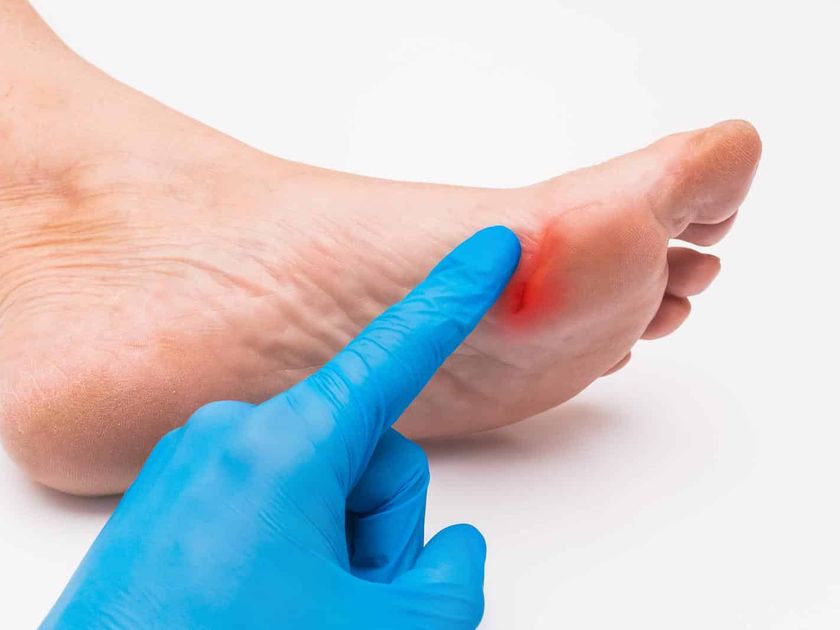
Why puncture wounds are tricky
A puncture happens when something sharp, like a nail, splinter or glass, goes deeper than the surface. The opening looks small, but bacteria, dirt or bits of the object can be trapped inside. Ignored, it can heal slowly, form an abscess or lead to problems like tetanus or cellulitis. Normally a wound should heal within a few weeks.
Healing or not?
What to watch.
- Signs of healingLess pain and swelling over time. Clear, mild drainage. Healthy new tissue forming.
- Call the doctorRedness, swelling, warmth or pus. Pain that does not improve. Fever or chills. Something still inside the wound.
Who is at risk of slow healing
Some conditions slow healing and raise the risk of a chronic wound:
- Diabetes
- Peripheral artery disease
- Uncontrolled high blood pressure
- Varicose veins
- A weak immune system
- Anemia
- Heart disease
- Deep vein thrombosis
People on bed rest for a long time, or who cannot move much, are also at higher risk.
Wound care at home
Wounds treated early are less likely to get worse. If the doctor orders it, a home health nurse can clean and dress the wound, watch for infection and teach the family. See wound care at home.
Life is better at home.
A wound that will not heal? Ask about wound care at home.
(800) 651-537124/7 AI chat online, or call any time, day or night. Medicare, Medi-Cal and many private insurance plans. We check your coverage before the first visit.